If you own residential property in British Columbia, you may have received a letter from the province about the speculation and vacancy tax. For many homeowners in Victoria, Nanaimo, and across Vancouver Island, the first question is simple: does this tax apply to me, and do I actually owe anything?
For most BC residents living in their own home, the answer is no. But the province still requires you to file a declaration every year to claim your exemption, and missing that step can trigger a tax bill you should never have received.
This guide breaks down how the BC speculation and vacancy tax works, who pays, what the rates are, which exemptions apply, and what the declaration process involves, with particular attention to how it affects property owners in the Victoria area.
TL;DR: The BC speculation and vacancy tax is an annual tax on residential property in designated areas of the province. Most BC residents who live in their home pay nothing, but every owner in a taxable region must file a yearly declaration to claim their exemption. Foreign owners and satellite families pay up to 2% of assessed value. The deadline is typically March 31.
What Is the BC Speculation and Vacancy Tax?
The speculation and vacancy tax (SVT) is an annual provincial tax introduced in 2018 to target empty homes and foreign speculation in BC’s tightest housing markets. The province designed it to turn vacant properties into occupied rental housing and to discourage housing from being used as a passive investment by owners who do not live or pay tax in Canada.
The tax applies to residential property in designated taxable regions of BC, which include most major urban areas and some surrounding communities. It is separate from municipal empty homes taxes, most notably the City of Vancouver’s Empty Homes Tax, which is a different program administered by the city rather than the province.
A common misconception is that the tax only applies to foreign buyers. In reality, the tax applies to all residential property owners in taxable regions, including BC residents and Canadian citizens. The difference is in the rate: BC residents who live in their home or rent it out long-term pay nothing, while foreign owners and satellite families face the highest rates.
Who Pays the BC Speculation Tax?
Whether you owe the tax depends on two things: where your property is located and how you use it. The tax applies only to residential property in designated taxable regions. If your property is outside those regions, the tax does not apply to you at all.
Within taxable regions, the key question is whether the property is your principal residence or is rented out for at least six months of the year. If either is true, you generally qualify for an exemption and pay nothing. The tax is aimed at properties that sit vacant or are underused.
The rate you pay, if you do not qualify for an exemption, depends on your residency status:
- BC residents and Canadian citizens or permanent residents: 0.5% of the property’s assessed value
- Foreign owners and satellite families: 2% of the property’s assessed value
- Other Canadians (not BC residents): 1% of the property’s assessed value
A satellite family is a household where the majority of worldwide income is earned outside Canada, even if the owners are Canadian citizens or permanent residents. This means a Canadian citizen who earns most of their income abroad can still face the 2% rate.
BC Speculation Tax Rates at a Glance
| Owner type | Tax rate | Applies to |
|---|---|---|
| BC resident (principal residence or long-term rental) | 0% (exempt) | Most BC homeowners |
| Canadian citizen or permanent resident (not BC resident) | 0.5% | Out-of-province Canadian owners of vacant BC property |
| Other Canadian | 1% | Non-BC Canadians who are not citizens or permanent residents |
| Foreign owner or satellite family | 2% | Non-residents and those earning most income abroad |
The rate is applied to the property’s BC Assessment value for the relevant year. For a property assessed at $800,000 owned by a foreign owner, the tax would be $16,000 annually if no exemption applies.
Which Areas of BC Are Subject to the Tax?
The speculation and vacancy tax applies to residential property in designated taxable regions. These regions have expanded since the tax was introduced and now cover most of BC’s major population centres.
Taxable regions include:
- Metro Vancouver
- The Capital Regional District, which includes Victoria, Saanich, Esquimalt, Oak Bay, Langford, Colwood, Sidney, and surrounding municipalities
- The City of Nanaimo
- The City of Kelowna and City of West Kelowna
- The City of Kamloops
- The Fraser Valley, including Abbotsford, Chilliwack, and Mission
- Several other municipalities in the Lower Mainland
For homeowners on Vancouver Island, the tax applies primarily within the Capital Regional District around Victoria and the City of Nanaimo. Properties in other parts of the Island, such as Duncan, Sooke, or the Cowichan Valley, are generally outside the taxable regions, though you should confirm your specific address through the province’s online tool.
If you own property in the Victoria area and are unsure whether it falls within a taxable region, the provincial government maintains a searchable map and address lookup tool on its speculation and vacancy tax pages.
BC Speculation Tax Exemptions
Even if your property is in a taxable region, most owners qualify for an exemption and pay nothing. The exemptions are broad, but you must claim them by filing your annual declaration.
Principal residence exemption
If the property is your principal residence, you are exempt. A principal residence is generally the home where you normally live. You can only designate one principal residence, so if you own multiple properties, only one qualifies.
Long-term rental exemption
If the property is rented out as a primary residence for at least six months of the calendar year, you qualify for an exemption. The six months do not need to be consecutive, but the rental must be to a tenant who uses the property as their primary residence. Short-term rentals, such as nightly vacation rentals, do not count toward the six-month threshold.
Special circumstances exemptions
The province recognizes that some properties are vacant for legitimate reasons beyond the owner’s control. Exemptions are available for situations including:
- Medical reasons: If the owner or a household member is receiving medical care that requires them to live elsewhere
- Strata rental restrictions: If a strata corporation prohibits rentals and the owner cannot rent the unit
- Renovations: If the property is under active renovation that prevents occupancy
- Inherited property: If you recently inherited the property, there is a grace period before the tax applies
- New construction: If the property was recently built and is being prepared for sale or rental
- Employment relocation: If the owner has been relocated for work
- Death of an owner: A temporary exemption applies following the death of an owner
If you have inherited a property in Victoria or elsewhere in BC and are navigating the estate process, the exemption can give you time to sort out the estate without facing an immediate tax bill. An estate planning lawyer can help confirm your eligibility and ensure the declaration is filed correctly during the probate process.
How to Declare the BC Speculation Tax
Every owner of residential property in a taxable region must file an annual declaration, even if they qualify for an exemption. This is the step many homeowners miss, and it is the most common reason people receive a tax bill they do not actually owe.
When is the declaration due?
The declaration deadline is typically March 31 each year. The province sends declaration letters in January or February to property owners in taxable regions. The letter includes a declaration code and instructions for filing online.
How to file
You can complete the declaration online through the provincial government’s speculation and vacancy tax portal. You will need:
- Your declaration code from the letter you received
- Your Social Insurance Number (or other tax identification number)
- Information about how the property was used during the previous year
- Rental details, if you are claiming a rental exemption
Each owner of a jointly owned property must file their own declaration. If you and a spouse co-own a property, both of you need to file separately, even if you are claiming the same principal residence exemption.
What happens if you miss the deadline
If you do not file a declaration, the province assumes the property is subject to the tax and issues a tax bill based on the applicable rate. You can still file a late declaration to claim your exemption, but you may face penalties and interest in the meantime. Filing late is better than not filing at all, but filing on time avoids the problem entirely.
Speculation Tax vs. Vancouver’s Empty Homes Tax
The BC speculation and vacancy tax is often confused with the City of Vancouver’s Empty Homes Tax, but they are separate programs with different rules and administrators.
| BC Speculation and Vacancy Tax | Vancouver Empty Homes Tax | |
|---|---|---|
| Who administers it | Province of BC | City of Vancouver |
| Where it applies | Designated regions across BC | City of Vancouver only |
| Who must declare | All owners in taxable regions | Owners of property in Vancouver |
| Tax rate | 0.5% to 2% depending on residency | 1% to 3% of assessed value |
| Purpose | Target foreign speculation and vacant homes | Target vacant homes in Vancouver |
If you own property in Vancouver, you may be subject to both taxes and need to file declarations for each. Outside Vancouver, only the provincial speculation and vacancy tax applies. Property owners in Victoria and other Vancouver Island communities deal only with the provincial tax, not the municipal one.
How the Speculation Tax Affects Victoria and Vancouver Island Owners
For homeowners in Victoria, Saanich, Langford, and Nanaimo, the speculation and vacancy tax is most relevant in a few specific situations:
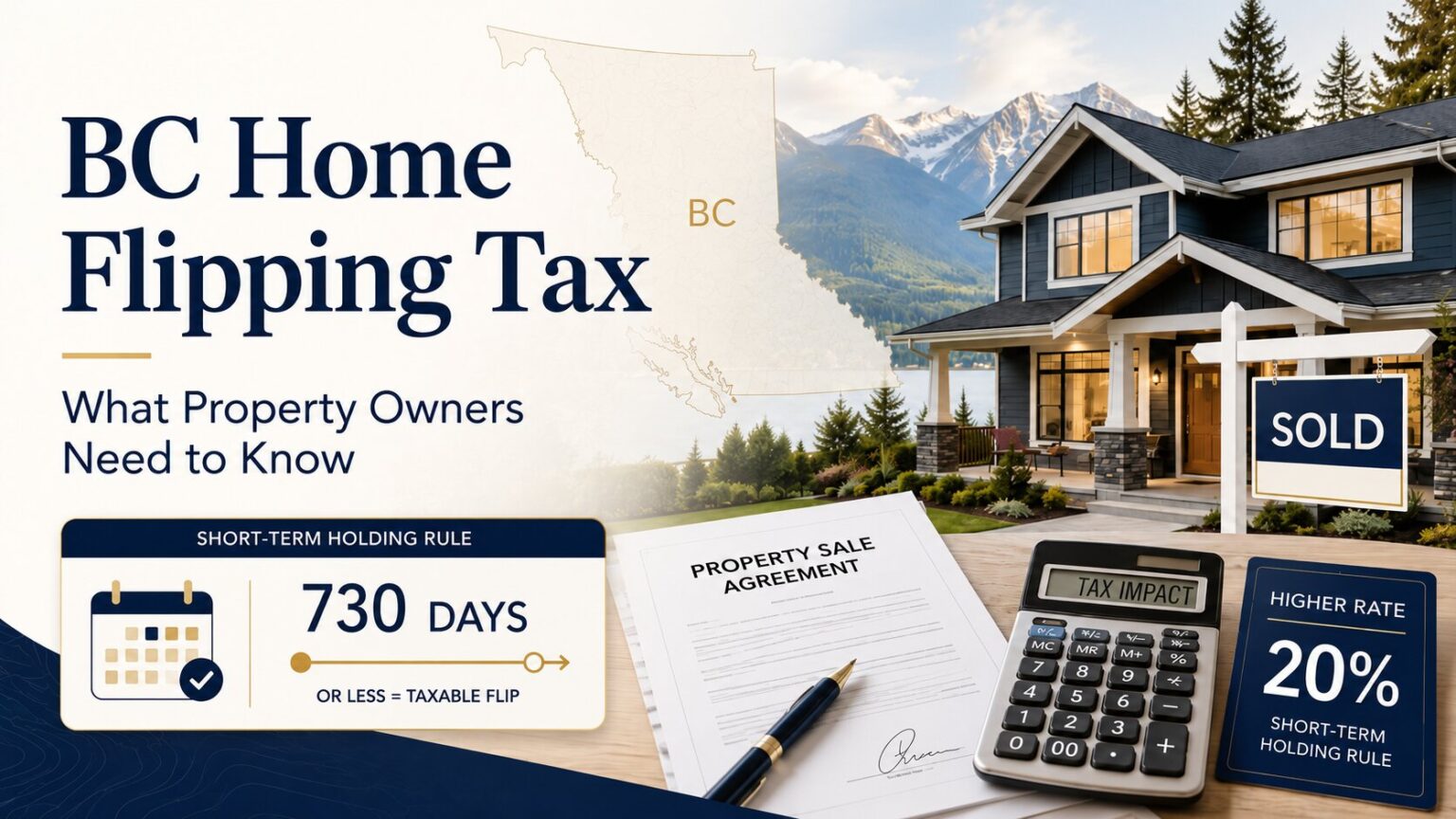
- You own a second property. If you live in one home and own a second property in a taxable region that sits vacant, you may owe tax on the second property unless you rent it out for at least six months of the year. If you are considering selling the property quickly, be aware that BC’s home flipping tax may also apply to properties sold within two years of purchase.
- You are an out-of-province owner. If you live outside BC but own a vacation or investment property in Victoria or Nanaimo, you face at least the 0.5% rate, and possibly 2% if you are a foreign owner or satellite family.
- You inherited a property. If you have inherited a home in a taxable region, you have a temporary exemption, but you need to file the declaration and eventually decide whether to move in, rent it out, or sell.
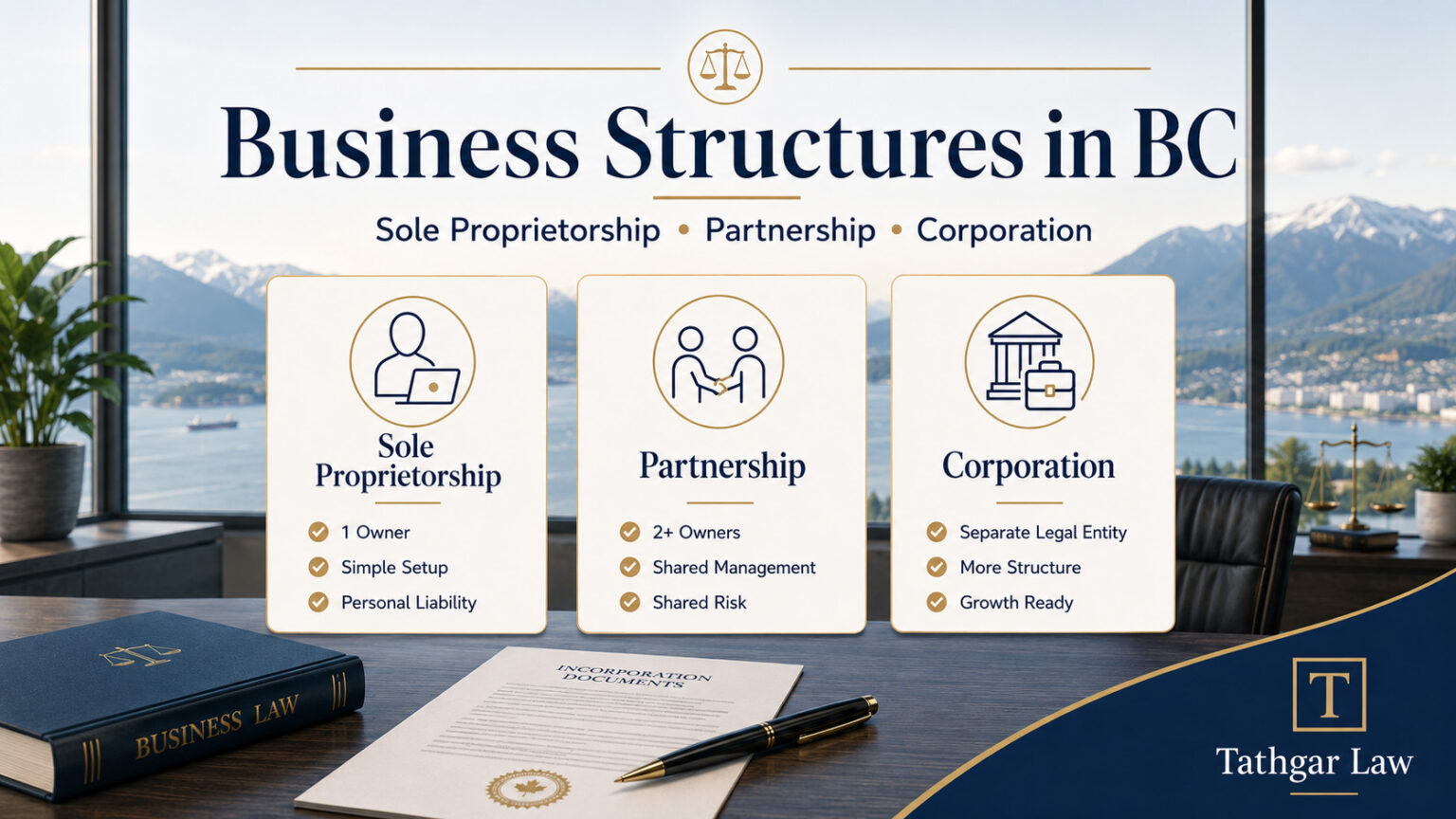
- You own through a corporation or trust. Corporate and trust ownership can complicate the declaration process, particularly around determining residency status and which exemptions apply. A business lawyer can advise on how your corporate structure affects your tax obligations.
If you are buying or selling property in the Victoria area, the speculation tax is one of several provincial taxes to understand alongside the property transfer tax. A real estate lawyer can help you understand how the tax applies to your specific transaction and ensure you are positioned to claim any available exemptions.
Frequently Asked Questions
How much is the speculation tax in BC?
The BC speculation and vacancy tax rate depends on the owner’s residency status. BC residents who live in their home or rent it out long-term pay nothing. Canadian citizens and permanent residents who are not BC residents pay 0.5% of assessed value. Other Canadians pay 1%. Foreign owners and satellite families pay 2%.
How do I avoid paying the BC speculation tax?
You avoid the tax by qualifying for an exemption. The most common exemptions are living in the property as your principal residence or renting it out as a primary residence for at least six months of the year. You must still file an annual declaration to claim the exemption, even if you owe nothing.
What is the BC speculation tax for 2026?
The speculation and vacancy tax rates and rules have remained consistent in recent years. For 2026, the rates are 0.5% for Canadian citizens and permanent residents who are not BC residents, 1% for other Canadians, and 2% for foreign owners and satellite families. BC residents with a principal residence or long-term rental exemption pay nothing. The declaration deadline is typically March 31.
How do I pay the BC speculation tax?
If you owe the tax, you pay it directly to the province through the speculation and vacancy tax portal, separate from your annual property taxes. The province issues a tax notice after you file your declaration (or if you fail to file). Payment can be made online through the provincial government’s tax payment system.
Do all co-owners of a property need to file a declaration?
Yes. Every owner of a residential property in a taxable region must file their own declaration, even if the property is jointly owned. If you and a spouse co-own a home, both of you must file separately. Each owner claims their own exemption based on their individual residency status.
Is the speculation tax the same as the empty homes tax?
No. The BC speculation and vacancy tax is a provincial tax that applies across designated regions of BC. The Empty Homes Tax is a separate municipal tax administered by the City of Vancouver. Property owners in Vancouver may be subject to both, while owners in Victoria and other parts of BC deal only with the provincial tax.
Can I get an exemption if my property is under renovation?
Yes. If your property is under active renovation that prevents it from being occupied, you may qualify for a renovation exemption. You will need to provide evidence of the renovation, such as permits and contractor documentation, when you file your declaration.
When to Talk to a Lawyer About the Speculation Tax
For most BC residents living in their own home, the speculation and vacancy tax is a once-a-year declaration that takes a few minutes to complete. But the tax becomes more complicated when your situation is not straightforward.
You may benefit from legal advice if:
- You own property through a corporation, trust, or other entity and are unsure how residency status is determined
- You have inherited a property and need to coordinate the declaration with the estate administration process
- You are an out-of-province or foreign owner trying to understand your obligations before buying or selling
- You received a tax bill you believe is incorrect and need to file a late declaration or appeal
- You are restructuring property ownership, such as transferring a property into or out of a corporation, and want to understand the tax implications
Sunny Tathgar works with property owners across Victoria, Langford, Sooke, Duncan, and Nanaimo on real estate, estate planning, and business matters. If you have questions about how the speculation and vacancy tax applies to your property, book a free consultation to talk through your situation.