Understanding Aboriginal Title Claims in British Columbia
Aboriginal title continues to influence land-related decisions across British Columbia, yet the legal framework is still developing. Only a small number of cases have reached a final ruling, and most involved unique facts that do not easily translate to other regions. Because of this limited body of case law, there are still many open questions whenever a new claim is filed. Governments, municipalities, and private owners often find themselves navigating issues that have not been fully tested in court.
The ongoing 2016 claim filed in Coquitlam by the Kwikwetlem First Nation illustrates this evolving landscape. The filing covers public land, former institutional sites, and areas with cultural significance. Other title matters across the province, including the Cowichan Tribes case in Richmond, the Haida agreement for Haida Gwaii, and the Snaw-Naw-As corridor dispute on Vancouver Island, provide some guidance, but none offer a full template for claims in growing metropolitan areas.
While Aboriginal title is recognized in Canadian law, the practical application of that title continues to be shaped case by case. The law acknowledges that First Nations have an inherent land interest rooted in pre-sovereignty occupation. How that interest fits with modern municipal planning, public infrastructure, and neighbouring private parcels remains a developing area of law.
As a result, owners, buyers, lenders, and developers frequently seek clarity when a new claim is filed near their communities. Past cases provide direction, but they also highlight the gaps that still remain.
How Aboriginal Title Claims Can Affect Property Owners
Public and private interests can overlap
Title claims often involve Crown land, institutional sites, parks, forests, and transportation corridors. When these lands sit near residential or commercial districts, owners may seek to understand how long-term planning could be affected. Because so few claims have involved metropolitan regions, there is limited legal history showing how these situations will evolve.
The Cowichan Tribes matter in Richmond is an example. The claim involved public land, but it prompted broader conversations at the municipal level involving servicing, infrastructure, and future land decisions. Even though private parcels were not affected, the presence of the claim required local governments to reassess planning considerations.
This type of situation may now arise in Coquitlam, where claimed lands sit close to neighbourhoods, commercial zones, and areas under redevelopment review.
Impact on development and public infrastructure
Large projects can be delayed during the early stages of a title claim. Municipalities may pause to review their obligations and confirm the appropriate next steps. The length of these pauses varies widely, since past cases do not show consistent timelines.
The Snaw-Naw-As corridor dispute on Vancouver Island demonstrated how claims involving transportation assets can create questions about future infrastructure use. Governments may wait for additional direction before making decisions that involve major public resources or long-term capital plans.
In regions like Coquitlam, where public land and institutional lands are part of active planning files, a title claim can prompt a review of proposed redevelopment, park improvements, and facility upgrades.
Market confidence and lender considerations
Although a title claim does not alter private ownership, lenders and commercial investors sometimes request added review. With few precedents to rely on, lenders may seek legal opinions describing how a property relates to the claimed area or how earlier cases addressed similar concerns. Some buyers may also request title insurance or additional documentation during due diligence.
A similar dynamic occurred in Haida Gwaii. Even though private land was expressly excluded from the title agreement, businesses and financial institutions still reviewed the arrangement to understand how land-use decisions involving public land might shift.
Aboriginal title and private ownership
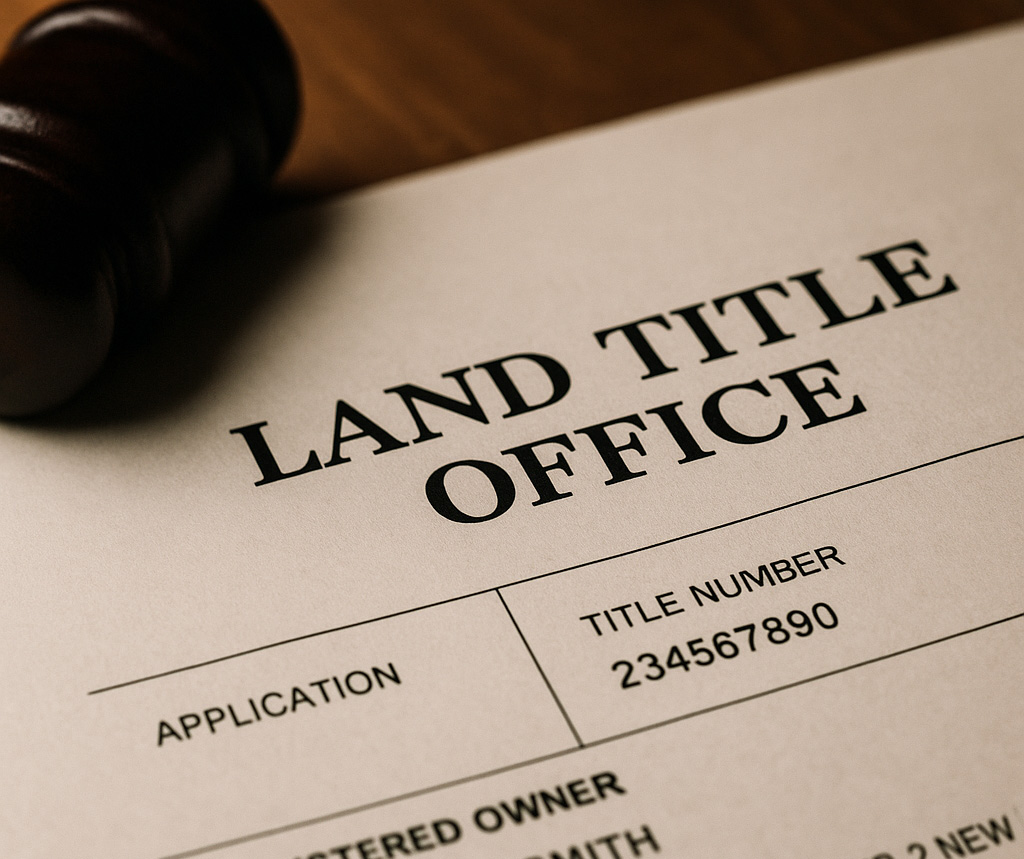
For property owners, the question of private ownership is often the most significant issue. Canadian courts have consistently held that Aboriginal title can be recognized only over Crown land. Private parcels that have been bought and sold under the Land Title Office system form a distinct category of ownership.
This principle was most clearly stated in the Tsilhqot’in decision. The Supreme Court of Canada confirmed Aboriginal title over Crown land but left private land untouched. The court also noted that any consideration involving private ownership would require different legal steps, including the possibility of compensation.
Other cases reinforce this distinction:
- Cowichan Tribes v. Canada (Richmond)
The ruling applied only to public parcels. Private owners retained full title. - Haida Gwaii Title Agreement
Private land remained outside the agreement’s scope. - Snaw-Naw-As corridor matters
The issues related to a rail corridor, not neighbouring private parcels.
Across these matters, a consistent principle emerges: private ownership continues under the existing legal framework unless a separate legal process occurs. That process has not taken place in Canada, and no court has ruled that Aboriginal title can override modern private title.
Even so, the courts have not yet fully examined how Aboriginal title interacts with dense urban settings where public and private parcels sit side by side. This creates questions that will likely be tested in future cases.
Transactions can still move forward
Real estate activity continues during all stages of an Aboriginal title claim. Sales, purchases, and refinancing proceed normally, though some parties may request further information as part of their review. Steps may include:
- confirmation of the property’s location
- legal opinions
- title insurance
- review of municipal planning materials
These steps help ensure that all parties have a clear understanding of the situation while the broader legal process progresses.
The Role of a Real Estate Lawyer
A real estate lawyer helps property owners understand how a title claim may relate to a specific parcel, which issues require attention, and what steps should be taken during planning or transactions. This is particularly valuable in regions where public land, redevelopment areas, and private parcels are located in close proximity.
Legal guidance also helps interpret how earlier rulings may apply. Although cases from Richmond, Haida Gwaii, and Vancouver Island offer helpful background, none address every scenario. Each new title claim adds new considerations, and legal support helps owners navigate those questions with greater confidence.
For additional information on complex land matters, contact Sunny Tathgar.
Frequently Asked Questions
Does an Aboriginal title claim change my ownership?
No. Private ownership remains in place unless a separate legal process occurs.
Can these claims influence market value?
They can affect how buyers and lenders evaluate long-term planning and redevelopment potential.
Can I still sell or refinance during a claim?
Yes. Transactions continue, though buyers or lenders may request additional steps during review.
Will zoning or municipal services change?
Municipal systems continue unless a future agreement or ruling establishes a different structure.
Are residential owners affected differently than commercial owners?
Commercial and redevelopment sites often undergo more detailed review because of their planning requirements.
Should owners near a claimed area seek legal advice?
Yes. Legal support helps clarify which issues are relevant for long-term decision-making.