British Columbia offers strong potential for real estate investors, from residential rentals to commercial developments. However, BC’s strict regulations, tax rules, and tenancy laws make it essential to approach investment with a solid legal strategy.
Whether you’re a first-time investor or expanding your portfolio, understanding BC’s legal landscape will help you avoid costly mistakes and protect your investment. A real estate lawyer can help!
Key Legal Considerations for Real Estate Investors in BC
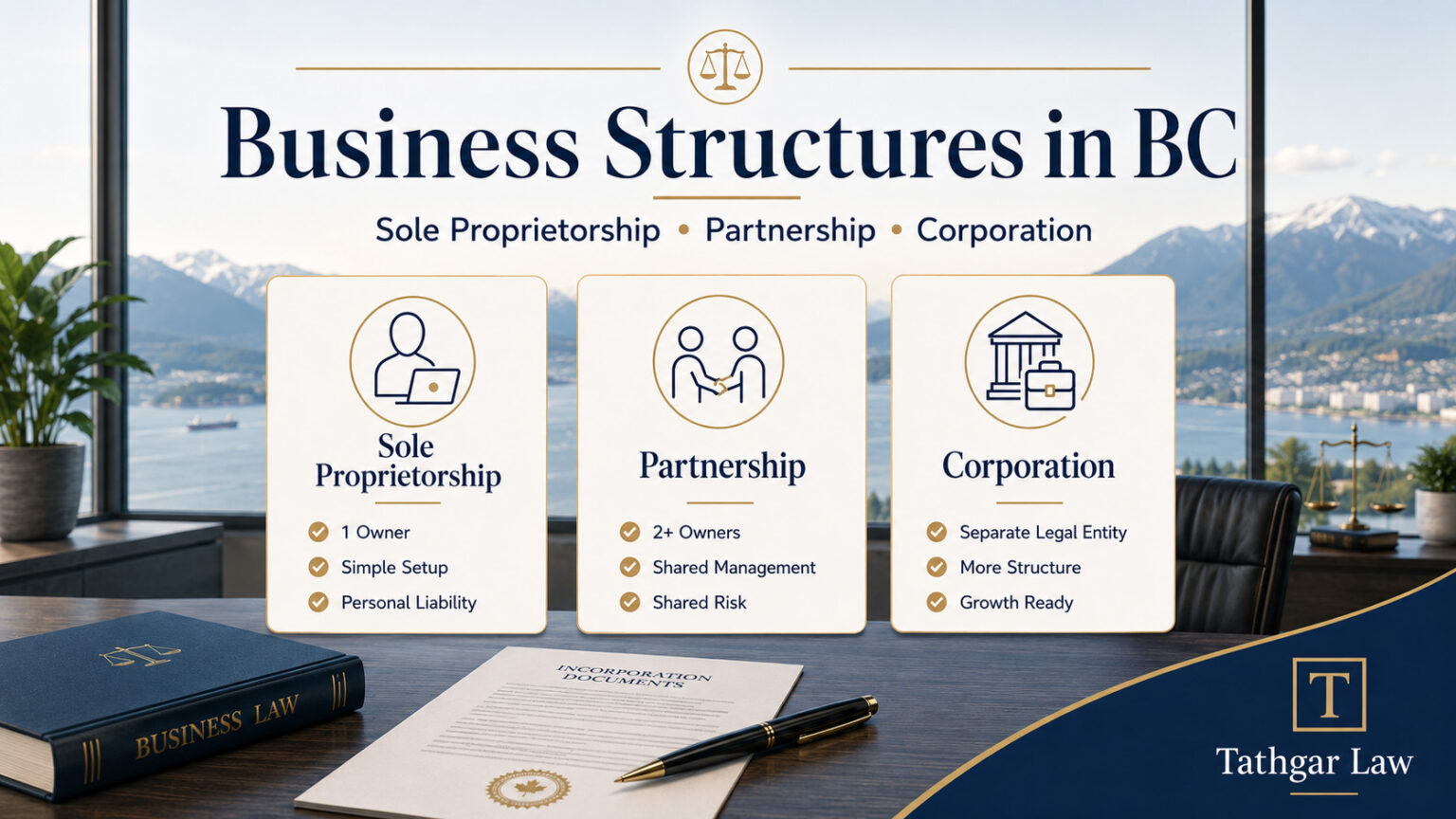
1. Property Ownership Structures
Choosing the right legal structure affects liability, taxation, and long-term profitability. Options include:
- Sole ownership – Simple but offers no liability protection.
- Holding property through a corporation – Provides tax advantages and risk management.
- Joint ventures and partnerships – Useful for pooling resources but require clear agreements.
2. BC’s Real Estate Taxes
- Property Transfer Tax (PTT) – Applied when purchasing property, with some exemptions.
- Capital Gains Tax – 50% of profits from selling an investment property are taxable.
- GST on New Properties – 5% applies to newly built homes unless exempt.
3. Landlord-Tenant Laws
- Rent Increase Limits – BC regulates how much landlords can increase rent annually.
- Eviction Rules – Strict guidelines must be followed for legal evictions.
- Short-Term Rental Regulations – Many cities have restrictions on Airbnb-style rentals.
4. Risk Mitigation Strategies
- Conduct due diligence – Review zoning laws, title history, and tenant agreements.
- Use legally sound contracts – Ensure lease agreements and purchase contracts protect your interests.
- Secure title insurance – Prevents financial losses due to title fraud or hidden claims.
FAQs About Real Estate Investing in BC
Can foreign buyers invest in BC real estate?
Yes, but restrictions apply under the Foreign Buyer Ban, with exemptions for certain work permit holders and commercial investments.
How can I reduce my tax burden as an investor?
Structuring your purchase through a corporation or using tax-exempt strategies (like principal residence exemptions) may help. A lawyer can advise on your best options.
Who is exempt from GST?
Certain homebuyers and properties qualify for GST exemptions. Buyers of resale homes do not pay GST, and new homebuyers may qualify for a partial rebate if the purchase price is under $450,000. Developers may also be exempt in specific situations.
What happens if I need to evict a tenant?
BC’s Residential Tenancy Act has strict rules on eviction, requiring valid legal reasons and proper notice periods. Unlawful evictions can result in penalties.
Are there legal risks with Airbnb rentals?
Yes. Many BC cities, including Victoria, require short-term rental licenses and restrict rentals to principal residences. Violations can lead to hefty fines.
What is the Property Transfer Tax, and can I avoid it?
PTT applies to all real estate purchases, but first-time homebuyers and certain new home purchases may qualify for exemptions.
Do I need a real estate lawyer for my investment?
Yes. A real estate lawyer ensures your contracts are sound, handles legal disputes, and protects your investment from hidden liabilities.
Get Expert Legal Guidance
Navigating BC’s real estate laws can be complex, but you don’t have to do it alone. At Tathgar Law, we help investors structure their purchases, protect their assets, and comply with BC’s legal requirements.
Contact Sunny Tathgar today for a free consultation and ensure your investment is legally secure.